My Research Mandate
As a researcher at CoA, I was tasked with evaluating the effectiveness of an Intergenerational Co-Learning program organized by the local NGO Mighty Oaks. My mandate was straightforward: to examine quality-of-life outcomes for older adults, academic and developmental benefits for students, and organizational gains. I came to measure outcomes. What I found, however, could not be fully captured by numbers alone.
What the Shared Space Revealed
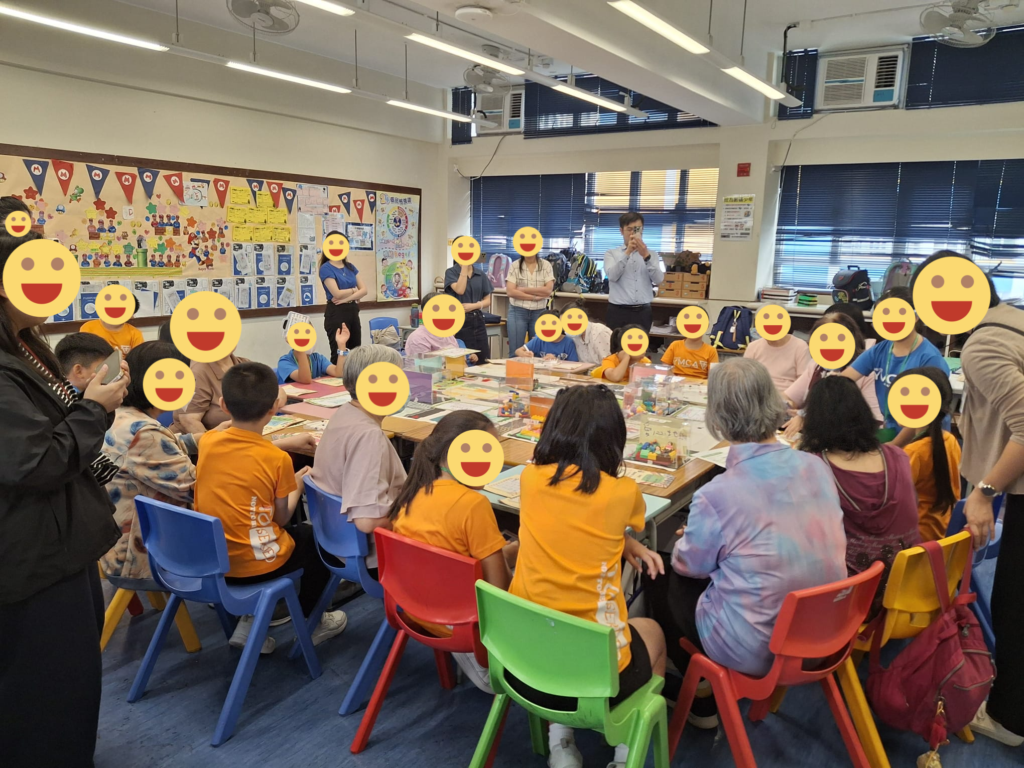
The real learning came from simply sitting in the spaces where the program happened—tables at the perfect height for both child and elder, the hum of genuine attention, no expectations, no rush.
Learning Flows Both Ways
What struck me most was reciprocity. When activities started, children initiated conversation and made suggestions. Elders leaned in, genuinely interested. No one corrected or took over. But more than that, I watched the shift. When a child spoke, the elder’s whole body would settle into listening. When an elder shared something, the child’s eyes would widen with real interest. There was a quality of attention I rarely see in any context—one generation genuinely paying attention to the other.
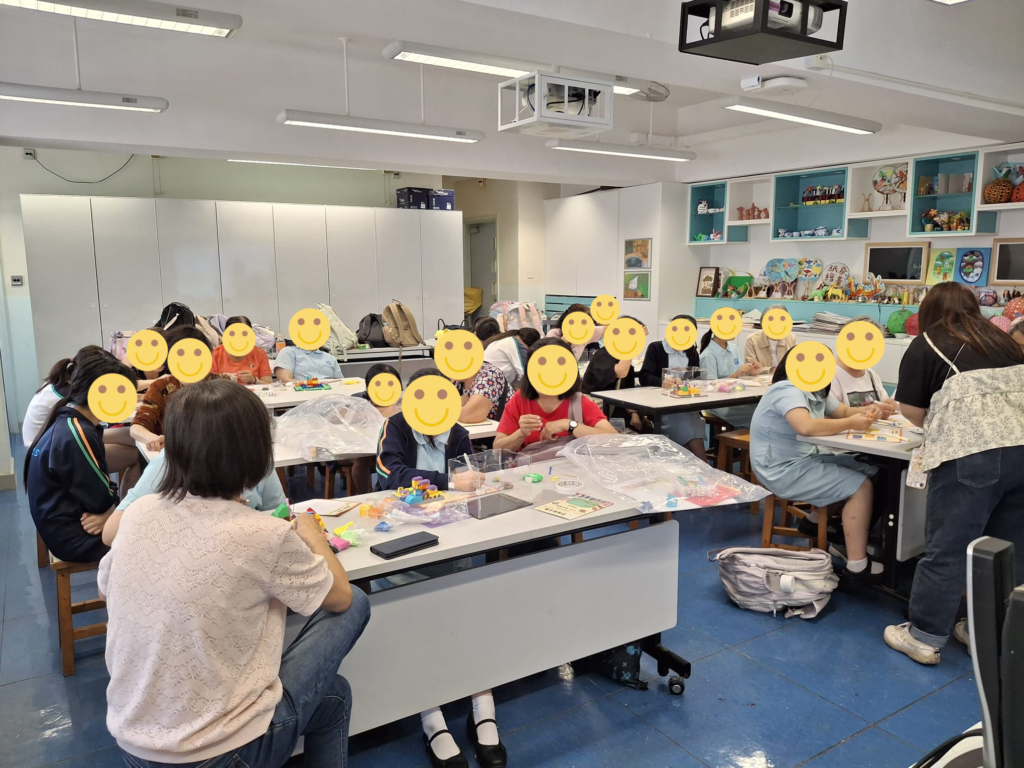
In one conversation, a child asked an elder a direct question about something they noticed. The elder answered honestly, without deflection or oversimplification. The child nodded and continued what they were doing. Simple. Real. The kind of exchange that feels increasingly rare in a world that keeps generations firmly apart.
Beyond What Data Can Capture
In these unhurried moments in shared space—two generations working alongside each other, learning the texture of patience and genuine presence simply by being together—something essential was happening. Perhaps programs like this quietly remind us that connection across generations isn’t a nice-to-have—it’s something we’ve largely forgotten we need.
By: Ryan Mak, Research Assistant
Email: u828ryan@hku.hk